



If you have been scrolling through fitness forums or chatting with mates at the gym, you have likely heard about intermittent fasting. When I first started BootyNBuff, my goal was always to cut through the noise and provide you with the most practical, no nonsense advice to help you reach your goals. I have seen so many people dive headfirst into complicated diets only to burn out after a week, and I do not want that for you.
Intermittent fasting, or IF as it is often called, is something I have personally experimented with over the years. I remember back when I was first building the brand, my schedule was all over the place. I was training hard, managing production, and trying to stay on top of my own nutrition. I found that having a structured window for eating helped me stay focused and stopped me from mindless snacking late at night while I was working on new apparel designs. But it is not just about personal experience. There is a lot of evidence backing this up.
Understanding the Basics
To put it simply, intermittent fasting involves alternating between periods of eating and fasting. This is usually done in windows of twelve to twenty four hours. Scientific research suggests that this process promotes various health benefits such as fat loss and improved metabolism by depleting glycogen stores and helping the body enter a state of ketosis. It is not necessarily about changing what you eat, though quality nutrition is always key, but rather focusing on when you eat.
For those of you in the BnB Fam who are just starting out, the most important thing I can tell you is to start slowly. I see too many people try to jump into a twenty four hour fast on their first day and end up feeling miserable. Sustainability is the name of the game here. You want to find a method that fits into your Australian lifestyle, whether that is early morning surf sessions or late night gym hits. Research emphasizes that beginners should focus on easier methods to ensure they can stick with the habit long term.
Recommended Beginner Methods
There are a few ways to ease into this without feeling like you are starving yourself. The first and most accessible option is the twelve hour fast. This is a great entry point because a lot of the fasting happens while you are asleep. For example, if you finish your last meal or snack by 7pm, you simply do not eat again until 7am the next morning. It is a simple way to regulate your habits and stop those late night trips to the pantry.
The next step up, and one that many of our community members find to be the sweet spot, is the 16/8 method. This is often referred to as the Leangains approach. With this method, you fast for sixteen hours and have an eight hour eating window. A common way to do this is to skip breakfast and eat between 12pm and 8pm. Studies have noted that this is often the most sustainable method for most people because it is flexible enough to work around a standard work day.
I have also spoken to people who prefer just skipping one meal a day. Maybe you are not a breakfast person anyway, so you just omit it and replace that time with a quick walk or a bit of meditation. This is a low commitment way to get started. Finally, there is the 5:2 diet, where you eat normally for five days of the week and then restrict your intake to about five hundred or six hundred calories on two non consecutive days. I would suggest mastering the shorter daily fasts before moving onto something like the 5:2 diet.
Your Step by Step Guide to Easing In
If you are ready to give this a go, I recommend following a bit of a roadmap. First, take a look at your current schedule. If you are eating dinner at 7pm but then having a snack at 10pm and breakfast at 7am, you are currently on a nine hour fast. Your first goal should be to try and end your evening eating a bit earlier and gradually pushing your breakfast back until you hit that twelve or sixteen hour mark.
One mistake I often see is people not paying attention to their pre fast meal. You want to fill up on nutrient dense foods that will keep you satiated. I am talking about things like avocados, nuts, eggs, and fatty fish. Having a solid foundation of healthy fats and proteins makes the fasting window much easier to manage.
During the actual fasting window, you need to stay hydrated. You can have water, black coffee, or unsweetened tea. I personally find that staying on top of my electrolytes is a game changer for avoiding that afternoon brain fog. If you are training during your fast, using a set of resistance bands for some light activation work can be a great way to stay moving without overtaxing your system before your first meal.
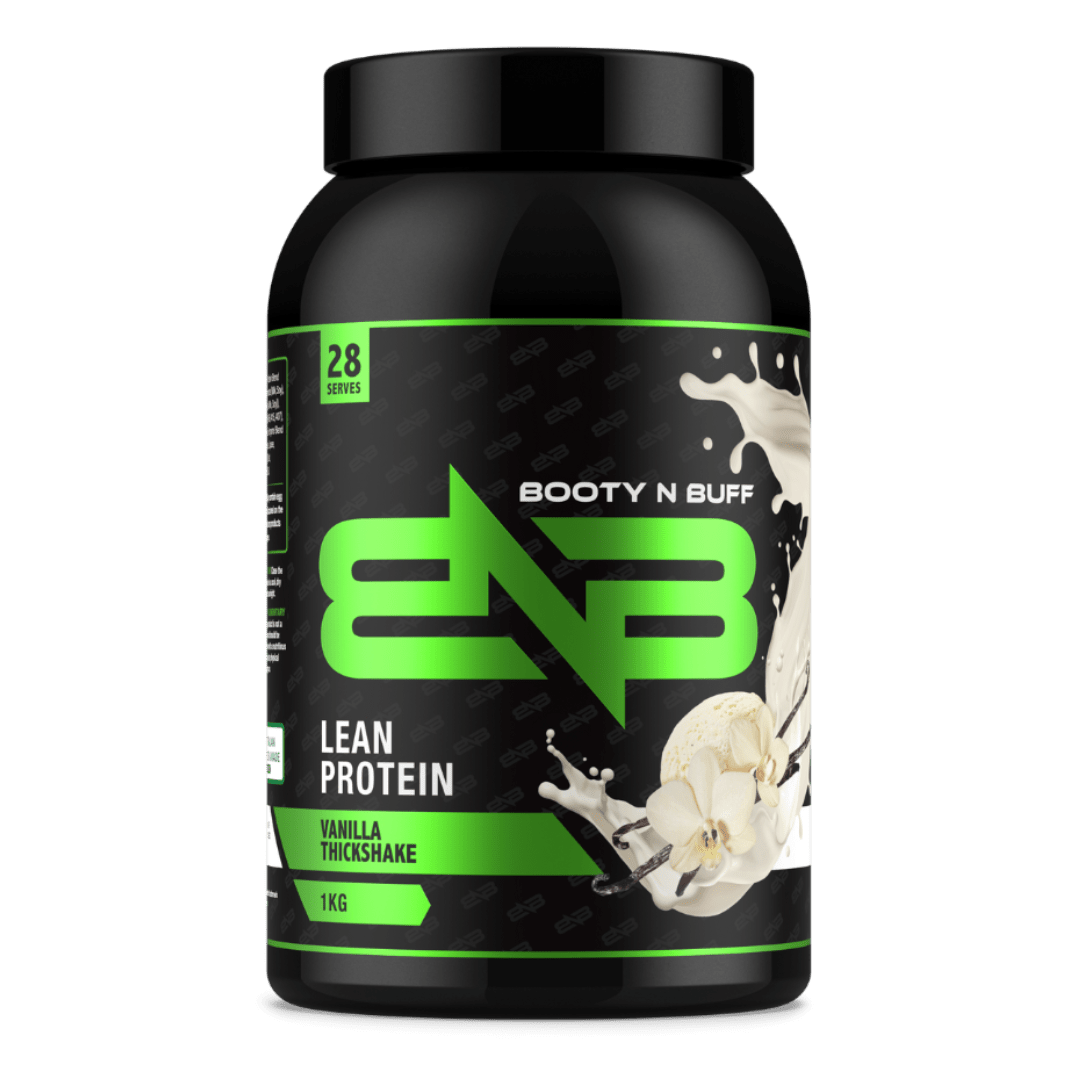
When it comes time to break your fast, do it wisely. It can be tempting to reach for the nearest high calorie snack because you are hungry, but your body will thank you if you choose whole grains, lean proteins, and veggies instead. A high quality protein source is essential here to support muscle recovery. Studies indicate that choosing nutrient dense whole foods when breaking a fast helps prevent overeating and supports metabolic health. I often find that a Lean Protein, like the one we offer at BootyNBuff, is a convenient and gentle way to get those amino acids back into your system after a fasting period.
Success and Safety Tips
I want everyone in the BnB Fam to be safe and smart about this. While there are many benefits to intermittent fasting, it is not for everyone. Research suggests that the fat burning benefits of fasting occur primarily through the process of ketosis, but it is vital to prioritize how you feel over chasing specific markers. If you find yourself feeling dizzy or excessively fatigued, it is okay to adjust your window or have a small snack. This is a tool for your health, not a punishment.
It is also important to note that anyone with pre existing medical conditions should consult with a doctor before starting a fasting regimen. Extended fasts that go beyond twenty four hours should always be done under professional supervision. For most of us, staying within that twelve to sixteen hour window is plenty to see results while maintaining our energy for training and daily life.
Consistency is what builds tolerance. At first, you might feel a bit peckish around your old breakfast time, but your body is incredibly adaptable. Within a week or two, you will likely find that your hunger hormones stabilize and you feel more clear headed during your fasting hours. I have found that IF has not only helped my physical goals but also improved my relationship with food by helping me recognize true hunger versus just eating out of boredom.
We are all on this journey together, and I love seeing how each of you adapts these principles to fit your own lives. Whether you are using our bands to get a pump at home or rocking our apparel during a heavy lifting session, remember that the best routine is the one you can actually stick to.
I would love to hear from you. Have you tried intermittent fasting before, or are you thinking about starting this week? What are your biggest challenges when it comes to timing your meals? Drop a comment below and let us know your thoughts. Let’s keep supporting each other and building that strength, BnB Fam.


