



BNB Talk
The Lifter’s Guide to Running: How to Start Without Losing Your Gains
Running won't kill your gains. How lifters can start running without burning out, and how to protect the muscle you've built.

Hey BootyNBuff crew!
Let's be honest. For a lot of us who live for heavy squats and glute growth, "cardio" is practically a dirty word. The picture of a runner, all lean and wiry, can feel like the opposite of what we're building in the gym.
And we've all heard it: "Cardio kills your gains."
That one myth keeps a lot of genuinely strong people away from one of the most useful tools for all-round fitness: running.
Here's the good news. You can have both. You can build a strong, powerful physique and get fitter, and done right, running can actually support your work in the weight room. Here's how to start smart and hang on to the muscle you've built.
Does cardio kill gains? The short answer is no
Let's clear this up straight away. Running won't make your muscle disappear.
Cardio only starts eating into your gains when you're in a big calorie deficit and not getting enough protein. If you're eating to support your goals (here's how much protein per meal you actually need) and fuelling your training, sensible cardio won't hold you back.
In fact, better aerobic fitness gives you a real advantage in the gym: work capacity. A lifter with a fitter heart and lungs recovers faster between heavy sets, so you can keep the intensity up for longer and handle more volume. It's the whole idea behind hybrid training.
How to start running without burning out
The biggest mistake lifters make is running the way they lift. You've got plenty of power, so you head out and try to smash a fast kilometre, and a week later you're sore, injured or over it.
The golden rule: start slower than you think you need to.
1. Use the run-walk method
Your first few "runs" should be intervals, not a steady jog. It eases your body, and especially your joints, into the impact of running.
Week 1 sample session
- Warm up: 5 minutes of brisk walking.
- Intervals: 1 minute of easy running, then 1 minute of walking. Repeat for 15 to 20 minutes.
- Cool down: 5 minutes of walking, then stretch.
Do this two or three times a week, and only add running time when your body's ready for it. It gives your heart, lungs and connective tissue time to adapt without being overloaded.
2. Protect your legs with smart scheduling
The hardest part of mixing lifting and running is leg fatigue. The last thing you want is dead legs on squat day.
- Keep hard runs away from leg day. Never schedule your first longer or harder run the day before your heavy lower-body session.
- Split them up. Run and lift on different days where you can. If you're doing cardio after weights on the same day, leave at least 6 to 8 hours between the sessions.
- Experiment. Your body adapts. Find the schedule that works for you, and make recovery the priority.
Why running asks more of your recovery
Lifting creates small amounts of muscle damage that you repair and build on. Running is different. The repeated impact of every stride adds its own kind of stress, and you're sweating out fluid and electrolytes the whole time.
This is where a lot of lifters slip up when they start running. They treat it like a "light" session and don't change how they eat, drink or recover.
When you start running, water on its own often isn't enough. You need protein and amino acids to repair muscle, and you need to replace the sodium, potassium and other electrolytes you lose in sweat.
Where Recov-10 fits

This is exactly the situation we made Recov-10 Amino for. It's amino acids and electrolytes in one scoop:
- Electrolytes: sodium, potassium, magnesium and calcium, to replace what you lose in sweat and help you stay hydrated.
- Amino acids: all nine essential amino acids, including the three BCAAs, plus glutamine, to support muscle recovery.
Sip it during your run or straight after. It covers hydration and recovery in one go, so your running supports your training instead of cutting into it.
The bottom line
You can be strong and fit. Adding running to your lifting isn't abandoning your goals. It's how you become a more complete athlete.
Be patient at the start. Use the run-walk method, plan your runs around leg day, and look after your recovery with enough protein, fluids and electrolytes.
Keep reading: sleep, recovery and your gains and the ultimate guide to creatine.
Shop this article
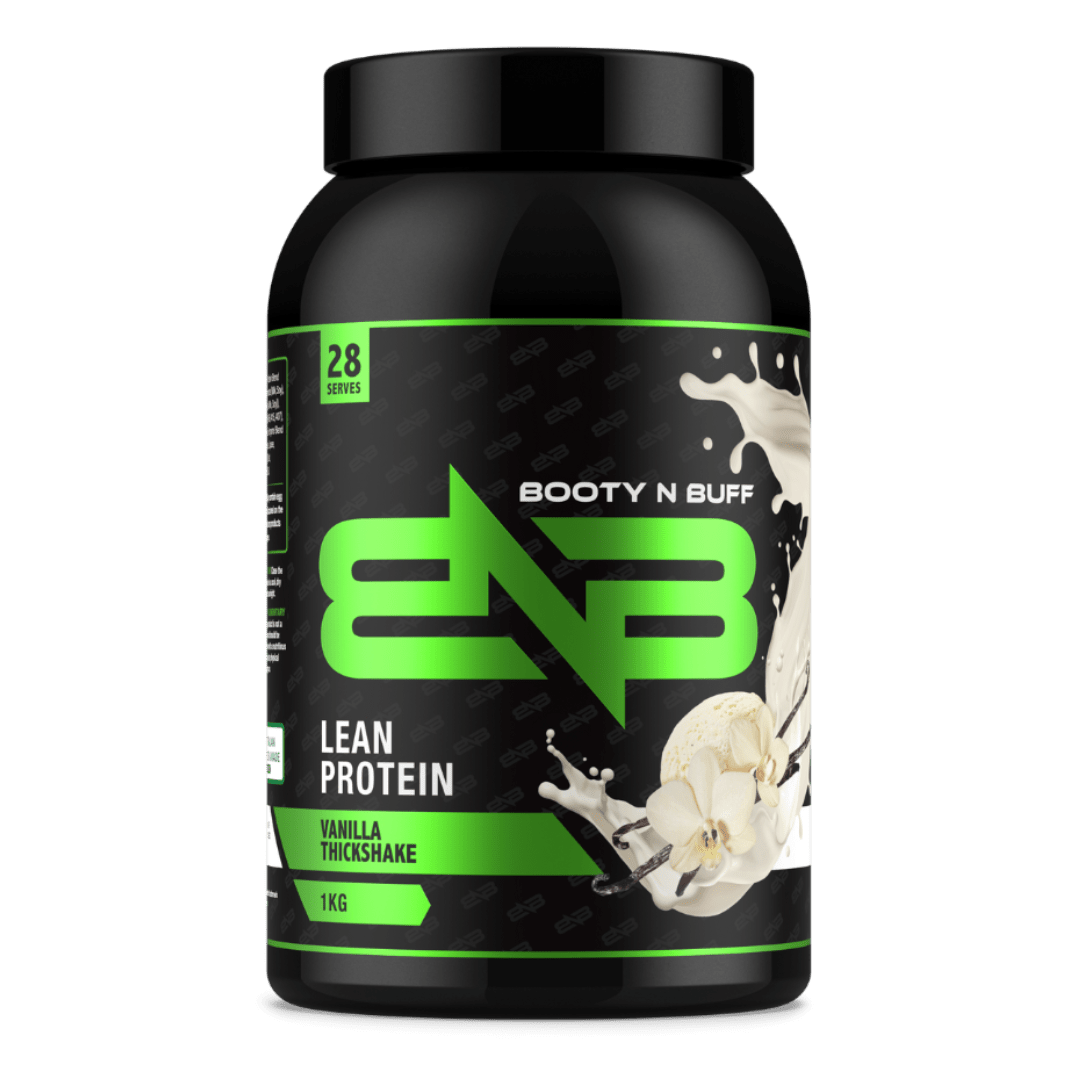
Our running recovery kit: Recov-10 to rehydrate and recover, Lean Protein to hit your protein for the day, and Essential Glutamine to add to any shake. Want more hydration options? Browse our full range of electrolytes.
 Booty N Buff
Recov-10 Amino
$69.95
Shop now
Booty N Buff
Recov-10 Amino
$69.95
Shop now
 Booty N Buff
Lean Protein
From $119.95
Shop now
Booty N Buff
Lean Protein
From $119.95
Shop now
 Booty N Buff
Essential Glutamine
$59.95
Shop now
Booty N Buff
Essential Glutamine
$59.95
Shop now
Now get out there and build that cardio, BootyNBuff squad!


